Almost every card in Magic: The Gathering does what it does thanks to its abilities. There are four broad types, and knowing them apart tells you who decides when they happen and how to respond. Let’s go through them.
1. Activated abilities
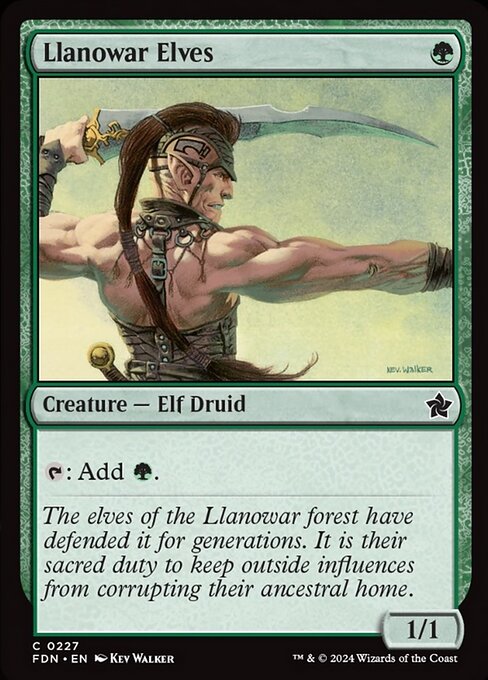
What they are: the ones you choose to use. They’re written in the “cost: effect” pattern (a colon in the text almost always gives away an activated ability).
When: at any time you have priority (instant speed), unless the card says otherwise. You pay the cost and the effect goes on the stack. The cost is usually tapping the card ({T}), paying mana, or both.
Planeswalker abilities are activated, but special: only one per turn and only on your turn.
2. Triggered abilities
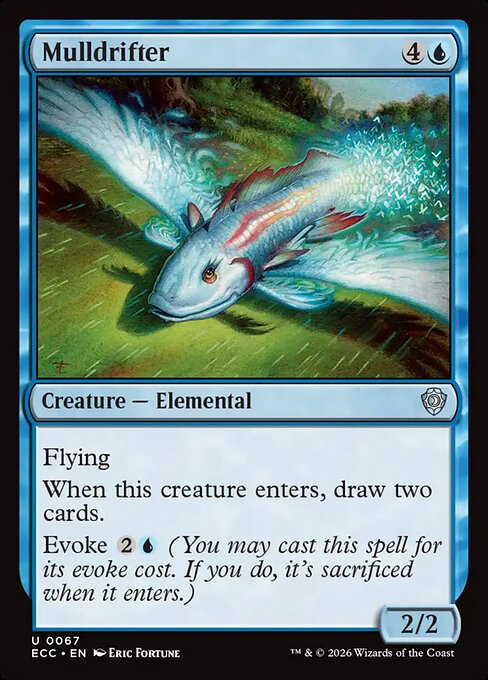
What they are: they go off on their own when something happens. They start with “When”, “Whenever” or “At…”. You don’t choose them: they trigger automatically and go on the stack.
When: the moment their condition is met. Since they go on the stack, your opponent can respond with an instant before they resolve.
3. Static abilities
What they are: they’re simply true while the card is in play. They don’t use the stack, don’t trigger, don’t get activated: they’re always on.
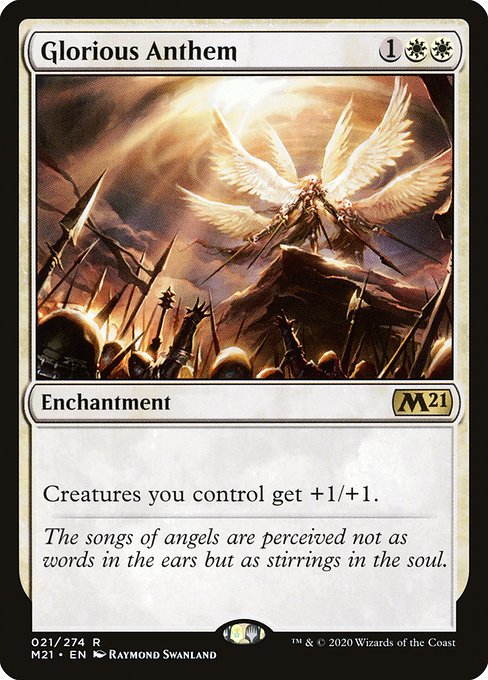
Other examples: “spells you cast cost 1 less mana” or “opponents can’t draw more than one card each turn”.
4. Keyword abilities
What they are: abilities so common they’re boiled down to one word, to avoid repeating the long text every time. These are the ones you’ll run into most:
- Flying: can only be blocked by creatures with flying or reach.
- Reach: can block creatures with flying (think archers or spiders).
- Haste: can attack and use {T} the same turn it enters (ignores summoning sickness).
- Vigilance: doesn’t tap when attacking, so it can still block.
- Deathtouch: any amount of damage it deals (even 1) destroys the damaged creature.
- Lifelink: the damage this creature deals also gains you that much life.
- First strike: deals damage before normal creatures; if it kills the opponent, they don’t hit back.
- Double strike: deals both first-strike and normal damage (hits twice).
- Trample: if it kills the blocker, the leftover damage carries to the player.
- Menace: needs two or more creatures to block it.
- Hexproof: can’t be targeted by your opponents’ spells or abilities.
- Indestructible: isn’t destroyed by damage or “destroy” effects.
- Defender: can’t attack (typical of walls).

A trick to remember it: if you see a colon, it’s activated (you decide). If it starts with “When/Whenever”, it’s triggered (goes off by itself). If it’s a permanent statement, it’s static. And if it’s a single word, it’s a keyword with its own rules.
That last one is the case you’ll hit most often at the table. Every keyword in the game, one by one, is in the Magic keywords glossary.
Brush up on rules and card types in the card types guide.
Frequently asked questions
- How many types of abilities are there in Magic?
- Three, plus a shorthand. Activated abilities are ones you choose to use and follow the cost: effect pattern, almost always with a colon in the text. Triggered abilities go off on their own and start with When, Whenever or At. Static abilities are simply true while the card is on the battlefield. The shorthand is keywords, which compress a common ability into a single word.
- How do I tell an activated ability from a triggered one?
- By how the text starts. A colon means activated: you pay the cost printed before it and you choose when to use it. When, Whenever or At means triggered: you do not choose, it goes off on its own once its condition is met. Both use the stack, so your opponent can respond before they resolve.
- Can abilities be responded to in Magic?
- Activated and triggered abilities can: they go on the stack and your opponent may cast an instant before they resolve. Static abilities cannot, because they never use the stack: they are simply on while the card is on the battlefield.
Keep reading
-
Marvel: Darkhold Destiny, Magic's next Marvel set: release date and first cards
Wizards revealed the second Marvel set at New York Comic Con: Darkhold Destiny releases 9 April 2027, with its own original story, Hela, Magik and the Darkhold itself. Here are the first seven cards and the mechanics showing so far.
-
Ottawa Regional Championship: Kaya Gregg's winning decklist
Kaya Gregg won the F2F Tour Ottawa Regional Championship (2-4 October 2026) in Modern with Azorius Control and the Isochron Scepter plus Orim's Chant lock. Full decklist, maindeck and sideboard.
-
Fun 2-card combos for Commander and Casual
Eight pairs of cards that win the game with no help from anyone: which ones really win on their own, which only build the loop, and which need a third piece no matter what the internet tells you.
-
Baltimore Regional Championship: Pete Ingram's winning decklist
Pete Ingram won the SCG CON Baltimore Regional Championship (13 September 2026) in Modern with Mono-Green Broodscale. Full decklist, maindeck and sideboard.
-
Commander Brackets: what they are and how to calculate yours
Wizards put a number on the age-old question: is your deck a precon or a tournament build? The five Commander brackets, the four things that actually separate them, and how to calculate which one your deck falls into.
-
MagicNexus in depth: the app that logs everything at your table
Life counter, decks with levelling companions, worldwide ranking, tournaments and trades. We go through MagicNexus feature by feature: what it does, how it does it, and which playgroup it suits.
-
Commander decks: how many cards and how to build one
Short answer: exactly 100 cards, all different, and one of them is your commander. Here is everything else that changes compared to a normal game of Magic.
-
Reality Fracture: all 285 cards, out now
All 285 cards of the set released on 2 October 2026, plus the 87 new cards in Reality Fracture Commander: two new mechanics — Prepare and Empower Jace — Exhaust returning, Emrakul and Tarmogoyf returning, and planeswalkers in colours that aren't theirs.
-
Star Trek in Magic: the revealed cards and the shocklands
The 91 cards already revealed from the 13 November 2026 set, plus the 38 from Star Trek Commander: all ten shocklands return to Standard, the Federation against the Borg, Spacecraft with Station, and the Face a dilemma keyword.
-
Magic keywords: every keyword ability explained
Flying, trample, hexproof, prowess, ward… What each Magic: The Gathering keyword does and when it actually works. Sorted so you can find one mid-game.
-
Pro Tour Marvel Super Heroes: Yuuki Ichikawa's winning decklist
Yuuki Ichikawa won Pro Tour Marvel Super Heroes (19 July 2026, MagicCon Amsterdam) in Modern with Simic Neoform. Full decklist, maindeck and sideboard.
-
When does Standard rotate in 2026?
Short answer: there is no rotation in 2026. Wizards is moving it to the first set of the calendar year, so the next one is in 2027 and six sets leave at once.
-
Standard legal sets: what's in, what rotates and when
The full list of Standard legal sets with their release dates, the six leaving with the first set of 2027, and the ones joining over the next few months.
-
Magic: The Gathering formats, explained
The basic rules for Constructed and Commander (life, mulligan, poison, commander damage…) and each format with its rules and a beginner-friendly version.
-
Card types in Magic: The Gathering
Creatures, instants, sorceries, artifacts, enchantments, planeswalkers and lands: what each type does, when you can play it and examples with real cards.